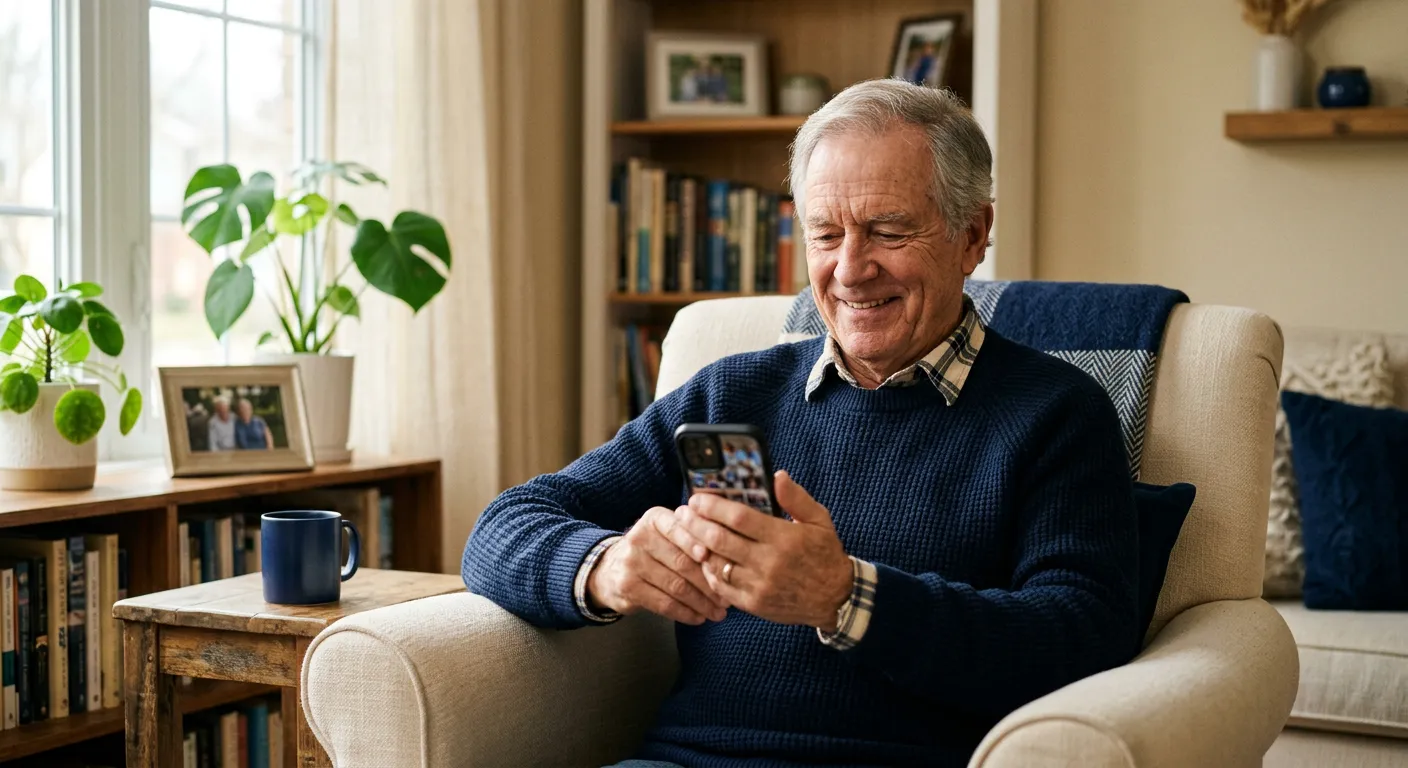
Your mother has lived an incredible life. She raised children, built a career, traveled the world, and accumulated wisdom that could fill volumes. You suggested she write it all down. Keep a journal, maybe work on a memoir. But she just smiled and said, "Oh, honey, my hands don't work like they used to." Or, "I'm not much of a writer."
She's not alone. For many seniors, traditional journaling presents real obstacles.
Arthritis and limited dexterity make writing painful or impossible. Vision changes turn reading and writing into a struggle. Low energy means sitting down to write feels overwhelming. And then there's the mental block - "I'm not a writer" - the thought that stops many before they start.
But here's the thing. Her stories don't need to stay trapped in her memory. There are better ways - easier ways - to capture a lifetime of experiences without picking up a pen.
Why Traditional Journaling Falls Short
Before we explore the alternatives, let's acknowledge why the classic "dear diary" approach often fails for older adults.
Physical barriers: Hand pain from arthritis or neuropathy. Difficulty holding pens or seeing the page. Fatigue from sustained writing sessions.
Cognitive barriers: "Where do I even start?" The blank page problem. Difficulty organizing thoughts linearly. Self-consciousness about grammar and spelling.
Practical barriers: Notebooks get lost or damaged. No one to share the process with. It feels like homework, not joy.
1. Voice Recording (The Modern Approach)
What it is: Speaking stories aloud and capturing them digitally.
Why it works: No writing required - just talking. Natural and conversational. Captures tone, emotion, and personality. Can be done while resting or doing light activities.
Best for: Seniors who love to tell stories but hate to write.
How to start: Use a smartphone app or dedicated voice recorder. Set a regular time - maybe Sunday afternoons - and ask one question. "Tell me about your first job" or "What was your mother like?"
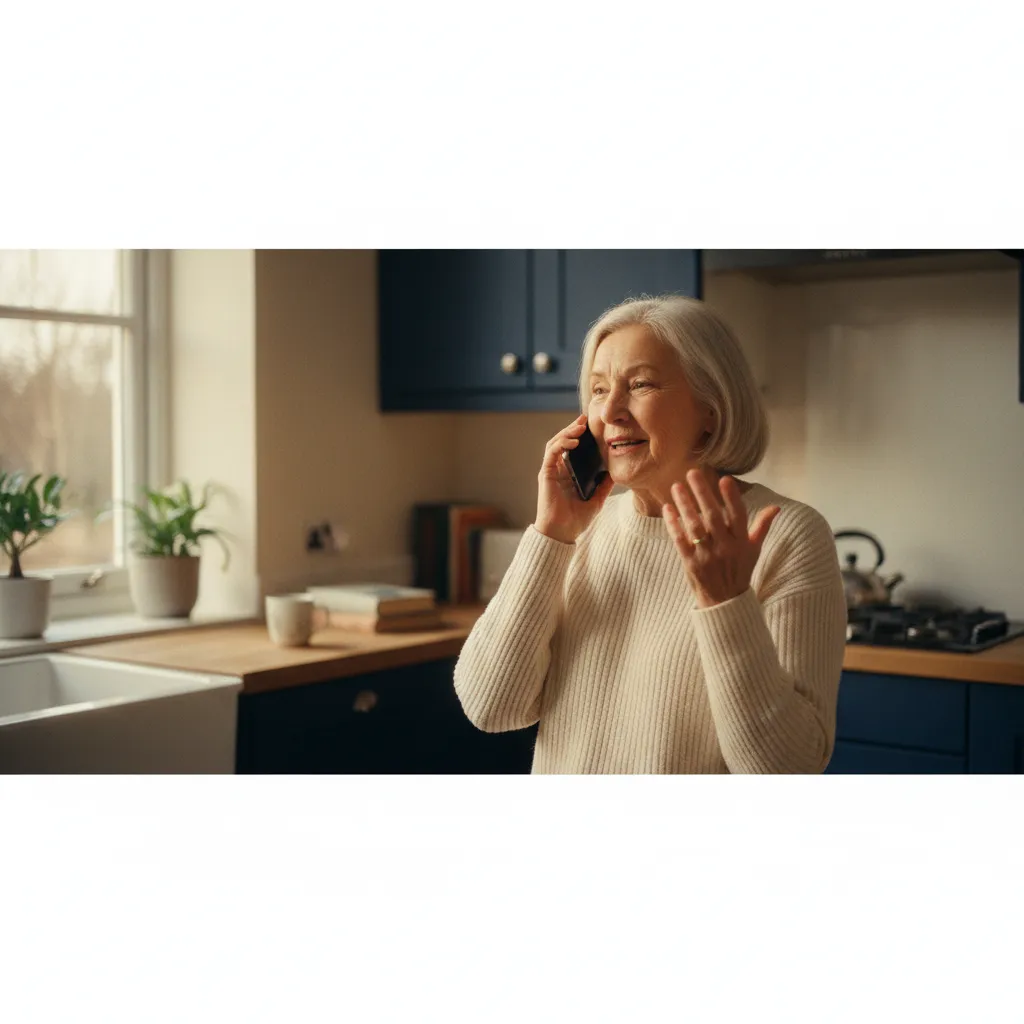
2. Video Interviews (The Visual Record)
What it is: Recording on-camera conversations about life experiences.
Why it works: Captures facial expressions and gestures. Creates a visual record for great-grandchildren. Feels like a conversation, not a task. Family members can participate.
Best for: Seniors comfortable on camera who want to leave a visual record.
How to start: Use a smartphone on a tripod or laptop camera. Prepare 5–10 questions beforehand. Keep sessions short - 15–20 minutes max - to avoid fatigue.
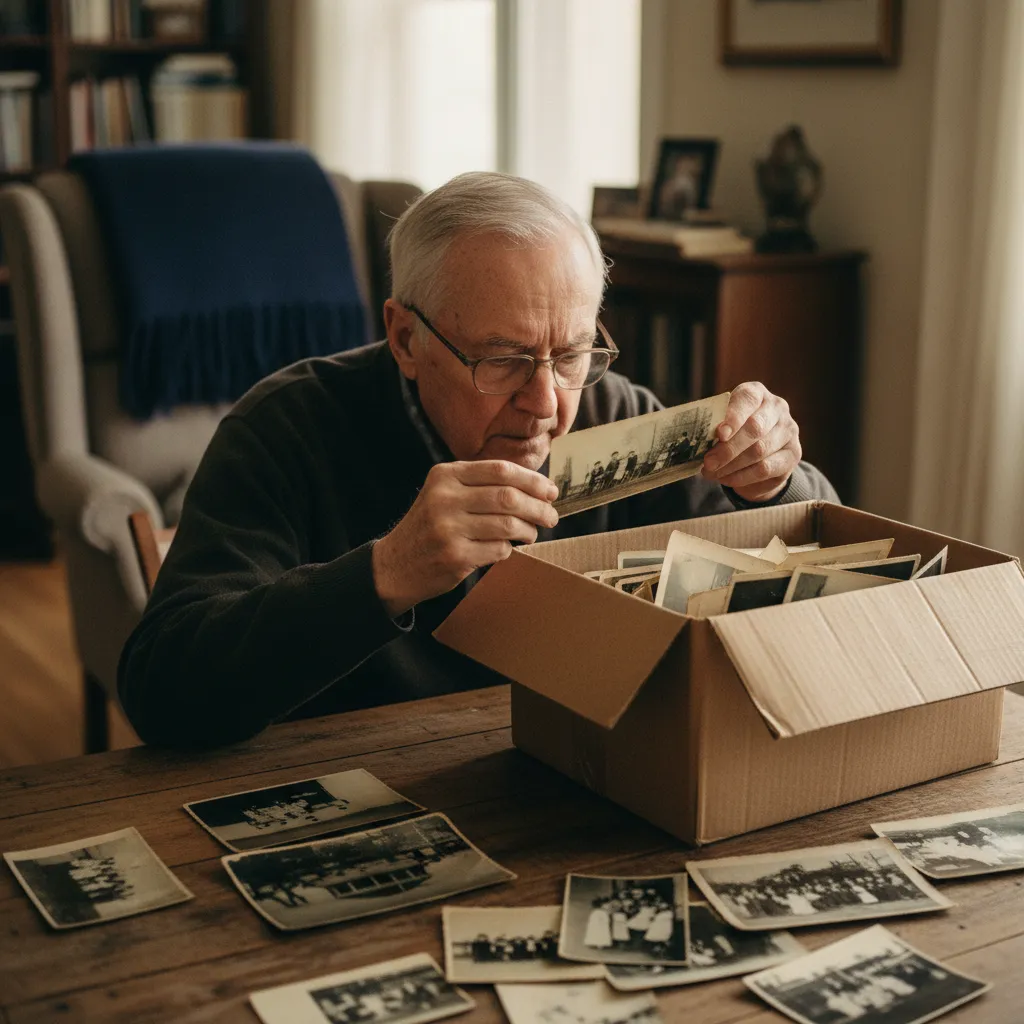
3. Photo-Triggered Storytelling (The Memory Lane Method)
What it is: Using photographs to spark and structure memories.
Why it works: Visual cues trigger memories more effectively than blank pages. Natural storytelling flow - "Here's what was happening in this photo." Combines with existing photo collections. Creates context for family photos.
Best for: Visual thinkers and those with extensive photo collections.
How to start: Gather 20–30 meaningful photos. Sit with your parent and ask about each one. Record the conversation. The photos provide natural structure.
4. Audio Journals with Prompts (The Guided Approach)
What it is: Responding to specific questions via voice recording.
Why it works: No "blank page" anxiety - questions provide direction. Can be done in small, manageable chunks. Creates organized stories automatically. Easy to maintain consistency.
Best for: Seniors who need structure and guidance.
How to start: Use a service or app that provides daily or weekly prompts. Questions like "What was your favorite childhood toy?" or "Tell me about your wedding day."
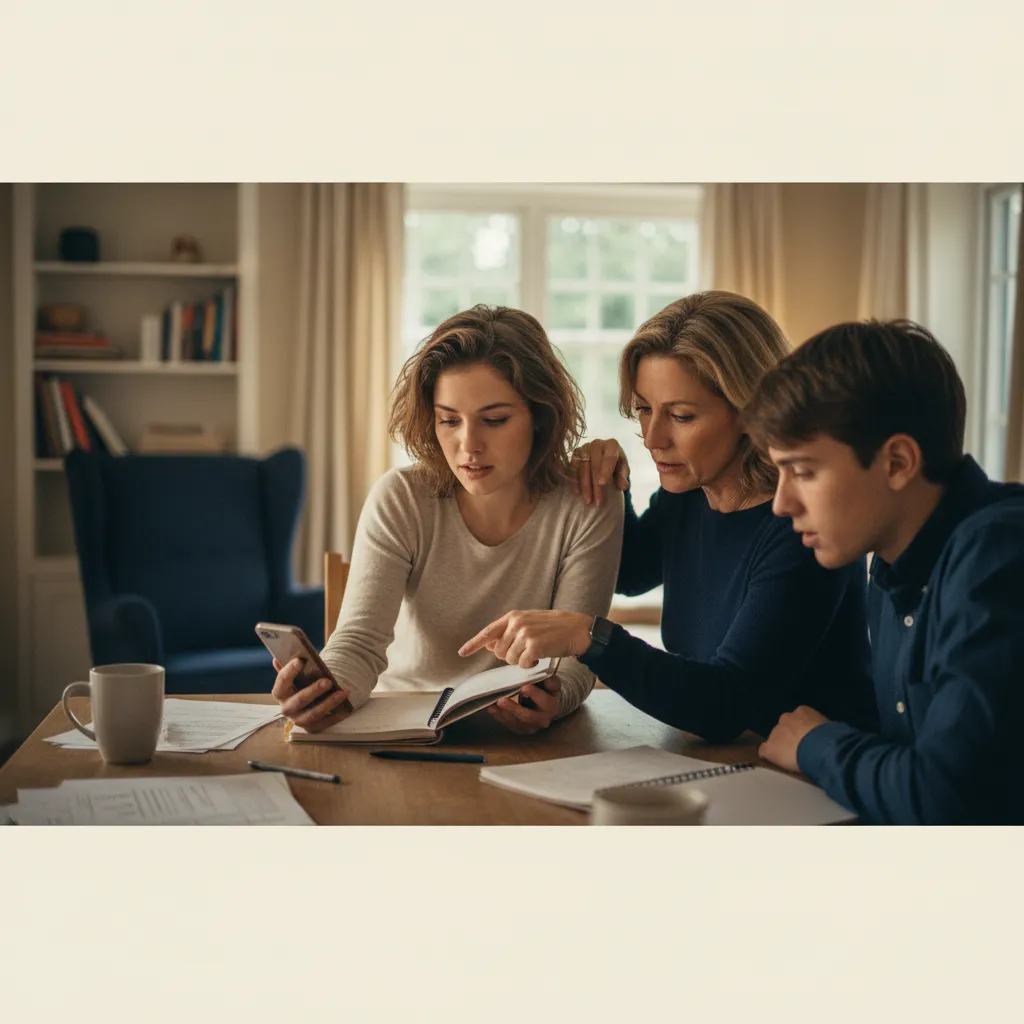
5. Collaborative Storytelling (The Family Project)
What it is: Family members helping to capture and organize stories.
Why it works: Shares the workload. Creates bonding opportunities. Different family members remember different details. Makes it a shared project.
Best for: Families who want to be involved in the process.
How to start: Assign each family member a topic or time period. Schedule regular "story sessions" where you interview your parent and record the answers.
6. Voice-to-Text Technology (The Hybrid Approach)
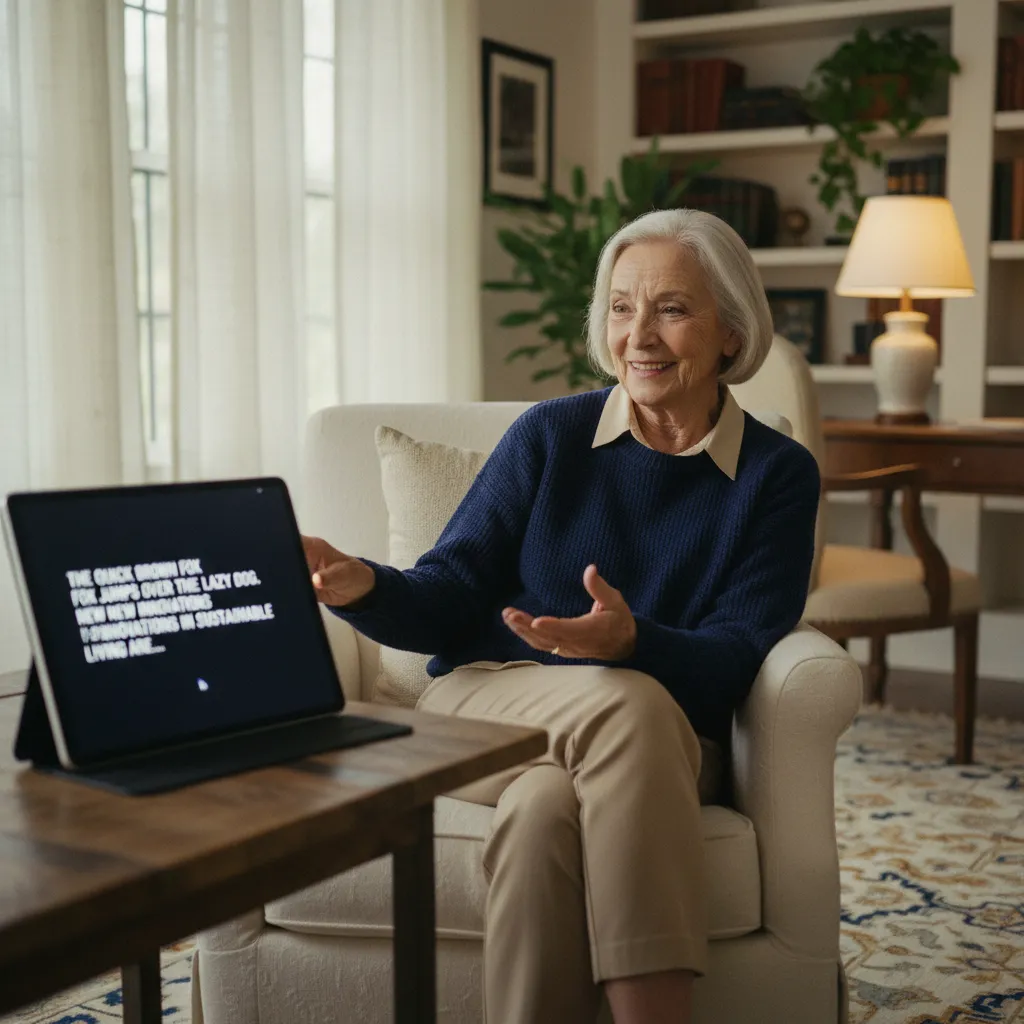
What it is: Speaking stories that get automatically transcribed into written text.
Why it works: Combines ease of speaking with permanence of text. Creates searchable, shareable documents. Can be edited later if desired. No typing required.
Best for: Tech-comfortable seniors who want written output.
How to start: Use voice-to-text features on smartphones, computers, or dedicated apps. Speak naturally, then review and lightly edit the transcription.
7. Professional Interview Services (The Full-Service Option)
What it is: Hiring professionals to conduct and record life story interviews.
Why it works: Expert interviewers know which questions to ask. Professional audio and video quality. Editing and production included. Creates polished final products.
Best for: Families with budget who want a professional result.
Considerations: This is the most expensive option - $500 to $5,000 or more - but produces the highest quality results.
Comparing the Options
Here's a quick comparison to help you choose:
| Method | Cost | Effort | Output Quality | Best For | |---|---|---|---|---| | Voice Recording | Free–$ | Low | Medium | Most seniors | | Video Interviews | Free–$$ | Medium | High | Visual record | | Photo-Triggered | Free | Low | Medium | Photo collectors | | Audio with Prompts | Free–$ | Low | Medium | Those needing structure | | Collaborative | Free | Medium | High | Family projects | | Voice-to-Text | Free–$ | Low–Medium | Medium | Tech-comfortable | | Professional | $$$–$$$$ | Low | Very High | Premium results |
Why Voice-Based Storytelling Stands Out
While all seven methods work, voice-based storytelling apps have become increasingly popular because they combine the best elements of multiple approaches.
A well-designed voice storytelling tool offers: voice recording (no writing required), smart prompts (questions that unlock memories), automatic transcription (voice becomes text), organization (stories sorted by theme and timeline), multiple outputs (audio, text, and even printed books), and family sharing (easy to distribute to the people who matter).
Most importantly, it removes every barrier that stops seniors from sharing their stories. They just talk. The technology handles the rest.
Getting Your Parent Started
Here's a simple approach that works:
Step 1: Have the conversation. "Mom, I'd love to record some of your stories. Not for anything fancy - just so the kids can know who you were. Would you be open to that?"
Step 2: Start small. Don't aim for a complete memoir. Start with one story. One memory. One afternoon.
Step 3: Make it comfortable. Choose a quiet time when they're relaxed. Have water nearby. Keep sessions short - 15 to 30 minutes. Let them pause whenever needed.
Step 4: Ask open questions. "Tell me about..." "What do you remember about..." "How did you feel when..."
Step 5: Be patient. Some stories take time to emerge. Silence is okay. Tears are okay. Laughter is wonderful.

The Real Value Is Not the Output
Here's something important. The value of capturing your parent's stories isn't just in the final book or recording.
It's in the conversations you have - moments of connection you wouldn't otherwise share. It's in the stories you learn - details you never knew, even if you've heard the stories before. It's in what you preserve - something that outlives all of us. It's in the healing it brings - both for them (being heard) and for you (understanding).
Start Today
Your parent's stories are leaving every day. Not dramatically - just gradually, as memories fade and moments pass. But you can capture them. You can preserve them. You can give your children and grandchildren the gift of knowing where they came from.
Pick one method from this list. Any method. And start today.
Ready to save your family's stories?
Start recording today. It only takes a few minutes.
Start for free